If you’re looking for some gorgeous and tasty cookies that scream Christmas, look no further. These buttery Christmas tree cookies by Chef Giorgos Tsoulis are easy to make and are simply beautiful. A real Christmas treat for the entire family!
Place the flour, salt, and baking soda in a bowl and mix with a spoon. Set aside.
In a mixer bowl, place the sugar and butter and blend with the paddle attachment on medium speed until the butter is fluffy.
Add the egg and vanilla extract and blend until absorbed.
Add the flour mixture to the mixer bowl and blend until homogenized.
Divide the cookie mixture into 3 pieces and roll each piece into a log. The first log should be 2 cm/about 1-inch thick, the second 3 cm/1 ¼-inches thick, and the third 4 cm/1 ½ inches thick.
Cut each log into 1 cm (about 1/3 of an inch) thick pieces and place them on a baking tray lined with parchment paper, leaving a gap between them.
Bake for 12 minutes until golden. Remove from the oven and set aside to cool.
For the frosting:
Place the butter, powdered sugar, and milk in the mixer bowl. Beat with the whisk attachment on medium speed until the mixture is fluffy and homogenous.
Add as much green food coloring as desired, whisk again, and transfer to a pastry bag with a curly nozzle.
Assembly:
Take a large cookie and cover it with green frosting. Place a smaller cookie on top and cover it with green frosting. Place one of the smallest cookies on top and cover it with green frosting, creating a beautiful tree.
Repeat the same process for the rest of the cookies, then top each one with a yellow chocolate, and serve.
Notes
Allow the cookies to cool and tighten after baking so that they do not dissolve and the coating does not melt. Leave a gap between them so they don’t stuck to each other.
Melomakarona are delicious, traditional Greek cookies with a very long history: they hail from Byzantine times and were originally made for funeral wakes. Sometime during medieval times, they got dunked in honey and ever since have been festive, closely associated with Christmas in Greece.
They are soft and syrupy, as they are dipped in a spiced cinnamon and orange syrup after they are baked. Simply delicious.
Please see below this delicious melomakarona recipe shared with us by Greek celebrity chef Giorgos Tsoulis. Enjoy!
Place a pot over medium to high heat. Add the water, granulated sugar, cinnamon sticks, and orange rind. Allow the mixture to come to a boil and simmer for 4-5 minutes.
As soon as the sugar has melted, remove the pot from the heat and add the honey. Stir and set syrup aside until completely cooled.
For the dough:
Place the olive oil, sunflower oil, cognac, orange zest, orange juice, and granulated sugar in a large bowl. Mix thoroughly with a hand whisk.
In another bowl, place the soft flour, baking powder, baking soda, ground cloves, ground cinnamon and mix with a spoon.
Gradually add the olive oil mixture to the flour mixture and mix thoroughly by hand. DO NOT mix for too long or else the oil will start to seep out of the cookie dough.
Shape the cookie dough into 30 g/1 oz round cookies and transfer to a baking pan lined with parchment paper.
With a fork, pierce the top of the cookies, so they cook faster and also soak up the syrup easier.
Bake for 20-25 minutes, until golden brown and crispy.
When ready, remove from the oven and immediately drop the cookies into the cooled syrup. Allow them to soak for 10 seconds.
Remove the cookies from the syrup with a slotted spoon and transfer to a serving platter.
Sprinkle the Melomakarona cookies with ground walnuts, allow them to cool completely and serve.
Notes
Chef’s tip:1. If you want the Melomakarona cookies to be softer, then dip them in the syrup for 15 seconds.2. Do not knead the cookie dough for too long, or else it will start to release its oils and the cookies won’t come out nice and crispy.
Looking for a sweet and zesty treat to enjoy with your morning coffee? These cookies with coconut, vanilla, and lime zest are the perfect answer!
The sweet crunch and vanilla flavor bring a sense of comfort and nostalgia, while the tangy lime zest and coconut offer a refreshing twist to the taste.
Instructions
To prepare the dough, start by mixing together the soft butter and brown sugar until creamy. Then, add two eggs, vanilla, lime zest, flour, coconut flakes, and a pinch of salt. Mix everything together until well combined. The dough doesn’t need to be perfect, it’s the imperfections that give these cookies their homemade charm.
Form the dough into balls and flatten them slightly before placing them on a baking tray lined with parchment paper. Pop the tray in the oven at 170 °C (338 °F), and let the cookies bake for 12-14 minutes. When they’re done, they’ll be lightly golden on the edges and just set in the middle.
These coconut cookies are perfect for enjoying on a lazy morning, or as an afternoon snack with a cup of tea. They’re also a great option if you’re looking for a dessert that’s not too sweet or heavy but still satisfies your sweet tooth.
So go ahead and whip up a batch of these delightful cookies, and savor the taste of spring in every bite!
Please find the ingredient list and full recipe details below!
Mix all the ingredients (it doesn’t have to be perfect) and form balls of about 20g (about 1 oz), then flattened them and put on a tray lined with baking paper.
Place the tray in a preheated oven at 170 °C (338 °F) with fan on, for 12-14 minutes.
Thanks to its varied geographical features and climatic conditions, India has a diverse variety of fruits. With each region and culture creating their own innovative ways of making the most of this abundance, you’ll find a myriad dishes ranging from salads to main courses and delicate desserts.
On your next vacation to India, avoid those traditional fruit buffets at your hotel and hit the local markets to immerse yourself in a bounty unlike any other. With a majority of the country’s population consuming a predominantly vegetarian diet, you’re never too far from a delicious and nutritious snack.
India’s tropical climate ensures a bounty of fruits all year round, varying from varieties of mango, banana, citrus fruits, and much more. Each state and region has a lot to offer. Lets look at some of the most renowned and elusive fruits the sub continent has to offer.
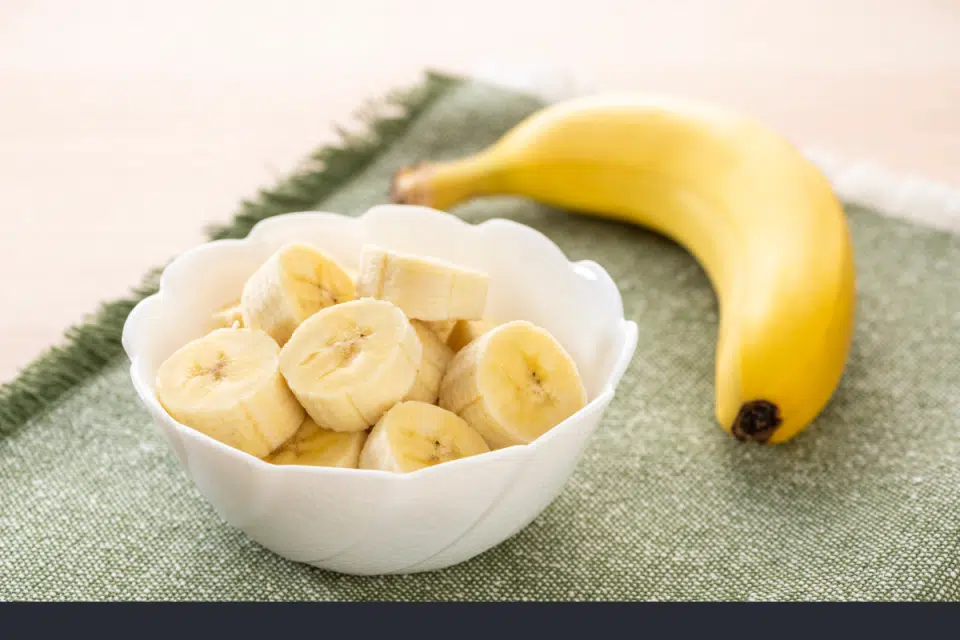
1. Bananas
India boasts of a variety of bananas that are cultivated across the country though mainly in South India along the east and west coasts. Some reports claim there are over 300 banana varieties in the Indian sub continent, but only 15 prime varieties are cultivated commercially. Dwarf Cavendish, Robusta, Poovan, Nendran, Red Banana, Ardharpuri, Ney Poovan, Basrai, Karpuravalli, and Rasthali are some of the most famous and widely consumed varieties.
Bananas are used in a wide range of dishes, from steamed rice and coconut with a sweet and butter banana compote (puttu and palazhm) to light and fluffy banana fritters, battered and fried in rice flour. Raw plantains are widely consumed and used as an alternative to potato and sweet potato.
Banana chips are made from the Nendran variety of banana, which has a significant bite to it compared to other varieties and a more pasty texture. The chips have a slight sweet and salty taste and an appealing floral and nutty aroma. The importance of the banana plant in the people’s day-to-day life, especially in the South, is clear from the wide use of the leaf as a means to serve and consume traditional meals or sadhyas (feasts).
So next time, keep your eyes peeled for all the varieties of banana. You can usually find them in local fruit stores, supermarkets, and even mandis or farmer markets.
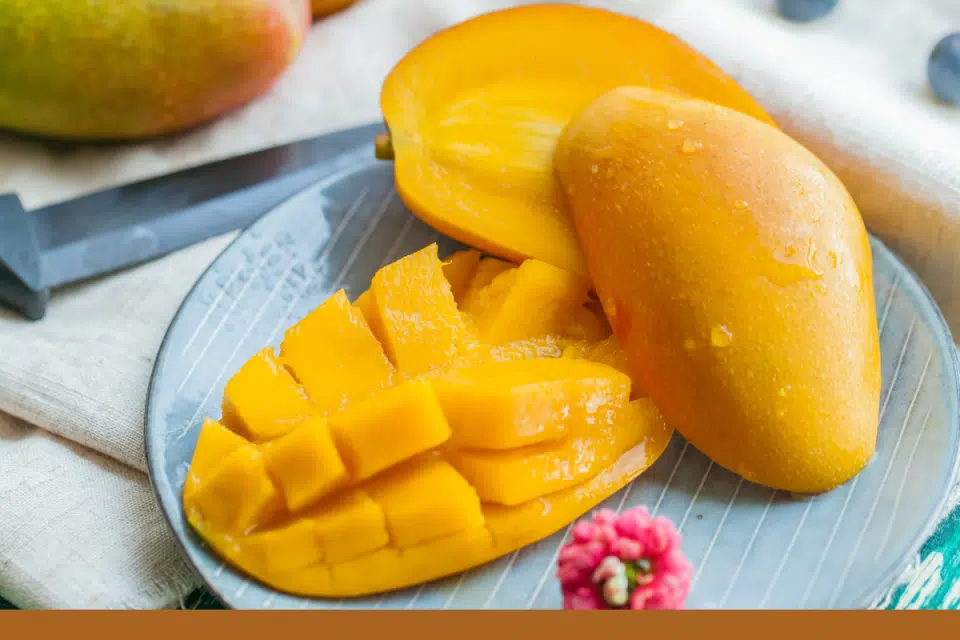
2. Mango
Considered the King of Fruits, the mango definitely holds a special place in my heart. A bite into a ripe, golden yellow, plump and juicy mango is a rush of nostalgia unlike any other for us Indians. Summer vacations, childhood treats, festivals and more add to the plethora of fond memories one can associate with this summer delight.
Mangoes have existed for over 5,000 years across the Indo-Burmese region, slowly finding their way up to China in 300AD. The Portuguese were the first to set up an international trade route for mango, from Calcutta in 1498. They are related to the cashew nut tree, surprisingly, and produce a sweet, slightly tart yellow flesh that encases an inedible seed covered by a hard, fuzzy outer covering.
There are over 1,500 varieties of mangoes with over 1,000 being cultivated commercially. Some of the most famous Indian varieties include the rosy Gulab Khas or Sindhura, Alphonso, Badami, Biganpalli, the parrot nose Totapuri, Ratnagiri Aam, the queen of Indian Mangoes the famous Raspuri of Mysore, Malgova, and Kesar, which has the sweet aroma of Kashmiri saffron.
Mangoes are consumed freshly cut or made into thick milk shakes and lassis. they can be cooked down into a sweet and tangy aam papad (a candy treat), used as a souring agent in curries and sea food preparations, dried out and ground into aam chur powder, and… well, the list goes on. A sure testament to the love affair the subcontinent has with this sublime, divine fruit.
No wonder mango is the national fruit of India.
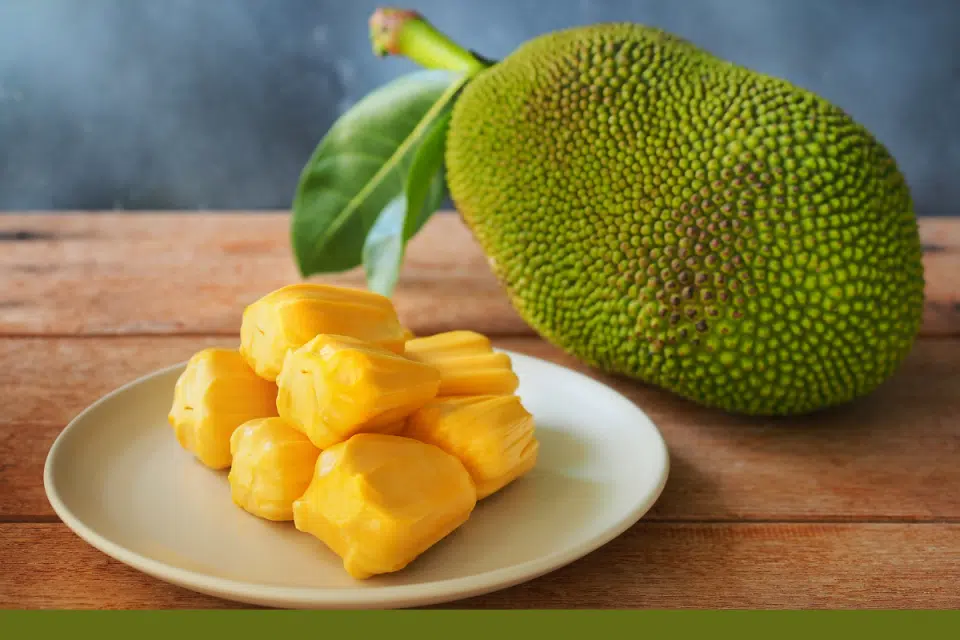
3. Jackfruit
This has been an integral part of Indian cuisine for centuries. It is commonly referred to as kathal in the North and chakka, or chakkapalam, or pala-palam or che-Kai meaning green fruit. The etymology of the word jackfruit can be traced back to the Malayalam word chakka.
The fruit is quite large with a green, spiky, leathery exterior and a smooth, sweet, yellow pod-like fruit on the inside. The fleshy part of the fruit surrounds a hard seed that can be dried and used for curries and stir fries. Ripe jackfruit has a distinct, strong aroma and a sweet candy-like flavor that can be described as a combination of apple, mango, and banana.
Younger unripe jackfruit have a neutral flavor and work as a vegan replacement for meat a they soak up flavors and the flesh shreds well. Many vegan restaurants use it to mimic meat and it works wonders as a filler for sliders and burgers.
Black Gold, Cheena, Cochin, Red Bartlet, Golden nugget, and Golden pillow are some of the most commonly available varieties.
4. Pomegranate
Native to the subcontinent, varieties of this fruit are grown from Iran to the Himalayas. Known for its thirst quenching properties, it’s been used in works of art throughout millennia to represent plenty and prosperity.
Accounts of the fruit and its usage can be traced back to ancient Egyptian texts, edicts from Mesopotamia reaching all the way across the globe to China and Indonesia. Indian royalty would begin banquets with pomegranate, grapes, and jujubes.
It has a stiff and semi hard outer husk with two layers: an outer, hard pericarp and an inner spongy mesocarp that wraps round each of the seeds – red emerald pearl-like segments inside. They can be eaten as is or pressed for their juice, which has a sweet floral aroma with a sugary, candy-like burst.
The medicinal properties of the fruit are said to accelerate healing, aid in reproduction, aid in the production of red blood cells, and improve hemoglobin levels.
5. Black Plum (Jamun)
This fruit, native to southern India, is known by many names: Malabar plum, Java plum, black plum, jamun, jaman, jambul, or jambolan. It comes from an evergreen tree known to thrive in humid tropical conditions, which, as well as the fruit, is valued for its timbre and ornamental value in landscaping. The tree can grown up to 25m to 30m tall and provides a large canopy for shade and cover.
The fruit has a fleshy outer part with a purplish black skin and a pale, oblong inner seed. It has a sweet and sour flavor and is mostly consumed during the summer months. Sherbets prepared from it have a alluring bluish tinge with a unique, aromatic flavor. It can also be made into jam and today, this age-old favorite has been reinvented in ice creams, milkshakes, yogurt smoothies, Buddha bowls, and much more.
With a low GI index, it is a treat for those trying to control their sugar intake. It is known to have blood purifying effects, regulate blood pressure, and help in maintaining oral hygiene.
6. Pomelo (Breadfruit)
One of the world’s largest citrus fruits, a pomelo can reach 25 to 30 cm in diameter. It originated in the southern parts of China and has been a native fruiting tree in the jungles of North East India. Nowadays this fruit is grown and harvested across the country, stretching all the way down south.
Another fruit with many names, it is colloquially referred to as chakotra in Hindi, karuna in Sanskrit, batabilebu in Bengali, pamparapanasa in Telugu, and bambilimaas in Tamil.
Its texture is similar to that of an orange or sweet lime and the outer skin has a light greenish-yellow tinge while the inner segments are a deep blood orange color. Pomelo tastes similar to that of a grapefruit, with an overwhelming tartness, acidity, and a lingering sweetness that prevails after the first bite.
It is versatile and can be used raw but also finds its way into many recipes, including braised breadfruit, crepes with segments tucked in-between, and a variety of marinades and jams.
7. Wood Apple (Kavath)
The wood apple, also known as Bengal quince, Indian quince, golden apple, holy fruit, and stone apple, is a summer fruit that is highly prized for its cooling properties. Usually round or oval and 5-15 cm in diameter, it is one of the oldest fruits of the subcontinent and stands out for its uniquely funky aroma and tart taste.
Kavath seeds serve are a significant source of protein that enhance functional properties such as water or oil absorption and foam stability when added to dishes. Additionally, they are excellent nutritional supplements.
The fruit boasts an incredibly sturdy rind, up to 6 mm thick, that can prove challenging to crack. Once inside the grayish-white rind, the brown pulp exudes an odorous, mealy texture with resinous undertones alongside acidic or sweetish notes. There are two varieties of kavath: one with large sweet fruits and the other featuring small acidic fruits.
8. Mulberry (Shahtoot)
Mulberry is a fast growing perennial, deciduous woody plant. It grows wild and is also cultivated for its wood, fruit, and leaves, which are used in a variety of ways. Mulberry is known in India as kalpa vruksha, literally meaning “the tree of life” in Malayalam.
Mulberries aren’t technically berries. Instead they are tiny fruits centered along a core stem structure, similar to the anatomy of a pineapple. Their appearance is akin to that of an elongated blackberry. However, their coloration can vary and mature into deep hues of purple, black, red or white depending on the specific regional variety. The taste is a well balanced mix of sweet and sour with hints of roasted spices and woody cedar.
The major states where the mulberry is cultivated are Punjab, Haryana, Himachal Pradesh, West Bengal, Karnataka, Andhra Pradesh and Tamil Nadu.
9. Mangosteen (Mangustaan)
Mangosteen is found throughout Southeast Asia in the tropical parts along the western coastline, including the Nilgiri Hills, Konakan Rainforests, and the entirety of the state of Kerala. Also known as the queen of fruits, its natural cooling properties make it ideal for the hot summer months, its season lasting from early April to late August.
The predominant flavor has a sweet and citrus note, but more subtle hints of mango, peach, strawberry and pineapple emerge as one starts to relish this delicate fruit. The texture is spongy and juicy with a springy bite while the outer rind is inedible.
This popular fruit is known for its many medicinal values and stellar flavor. It is commonly referred to as purple mangosteen, owing to its outer rind developing a deep purple color as it ripens. It is a natural multi vitamin pill packed with vitamins B1, B2, B9 and C, and is loaded with antioxidants that keep your skin glowing.
10. Ice Apple or Sugar Palm Fruit (Targola/Taal)
Commonly known as palmyra palm, tala or tal palm, toddy palm or ice apple, this is a member of the palm family and produces a fruit similar in taste to that of coconut water, although slightly sweeter and with a consistency similar to coconut jelly.
Children love this fruit and buy it from vendors, who crank out the inner fruit form the hard husk. The sweet juicy jelly seed sockets are found in pairs of 3 or 4 inside the husk.
The sap of the tree, which is used to prepare a common local brew know as toddy, is sweet when harvested early in the morning but turns tangy through the day. Known to give tourists quite the high, this beverage is best reserved for seasoned adventurers as it can also give you a serious case of Delhi belly if you’re not careful.
11. Star Fruit (Carambola)
Widely known as star fruit across the subcontinent, this is known for its unique shape when ripe, resembling that of a pentagram star when sliced across. It ranges from light green to golden yellow as it progresses from being a sour and crisp fruit to a sweet and sour delicacy.
It can be used as a replacement for tamarind in curries and sauces, works well in both fruit and veg salads, and can be eaten sliced with a pinch of chili powder and black salt. But it is mainly used in preparing pickles.
12. Lychee, Litchi or Lichi
Indigenous to South East Asia, this fruit has been cultivated there since ancient times. It was a favorite treat of the Cantonese and a treasured fruit in the Royal Indian Courts. It is ground mainly in tropical climates and is favored for its sweet and tarty fruit.
The fruit is oval in shape and has a bumpy, red outer skin, which when peeled back reveals a soft fragrant and sweet fruit with a central pit. The fruit may be consumed fresh or canned in a sugar syrup. It is consumed as is or made into smoothies, milkshakes, and even ice creams.
13. Buddha’s Hand
This exotic fruit is grown in only 3 countries across the world, and India has the honor of being one of them. It is not as widely known as the traditional citrus fruits the subcontinent has to offer, such as limes, lemons, sweet limes, etc., but it is making headway into the gourmet scene.
The fruit almost wholly consists of a rind, but lacks the intrinsic bitterness that most citrus rinds carry. The flavors can be described as a combination of coconut, macadamia nuts, banana, light caramel, and cinnamon. Its shape is similar to elongated fingers, which are bright yellow in color. It can be used in salads, teas, lemonades, coolers, cakes, biscuits, and much more.
14. Jungli Jalebi
Green, spiral pods with a pink hue give this traditional delicacy its namesake – jalebis, sweet spiral treats soaked in sugar syrup. They also go by Manila Tamarind or Madras Thorn.
It is a flowering plant belonging to the pea family. Stripping back the pod reveals a mushy pulp containing seeds. The pulp has a sweet and sour flavor and can be used to prepare beverages when combined with jaggery or honey and diluted in water. Harvested during the summer months, it makes for a refreshingly cool beverage. The seeds are used in curries and stews.
15. Cashew Nut
The cashew nut tree was brought to India by the Portuguese in the 16th century and since then it has become ubiquitous with the landscape in Goa. Once an exotic fruit from the New World, today Goa and Kerala account for a sizable cashew nut harvest.
It was again the Portuguese colonialists who taught the locals the art of distillation. This sweet smelling liquor is famous for its smooth body and creamy texture. Locally it is combined with a fizzy lemon flavored soft drink called limca, making it kind of the rum and coke of the region.
Guatemalan cuisine is a colorful tapestry of flavors and traditions, and its diverse array of beverages embodies this richness. From the highlands of Huehuetenango to the coasts of Retalhuleu, drinks are a central part of daily life and special occasions in Guatemala. They bring families and communities together, often representing centuries-old cultural practices.
Guatemalan drinks are an essential and delightful aspect of the country’s cuisine. They mirror the rich cultural heritage and offer a glimpse of the traditions and flavors of Guatemala.
Let’s embark on a delightful journey through the world of Guatemalan drinks, exploring hot beverages, refreshing soft drinks, and traditional alcoholic concoctions.
Guatemalan Hot Drinks
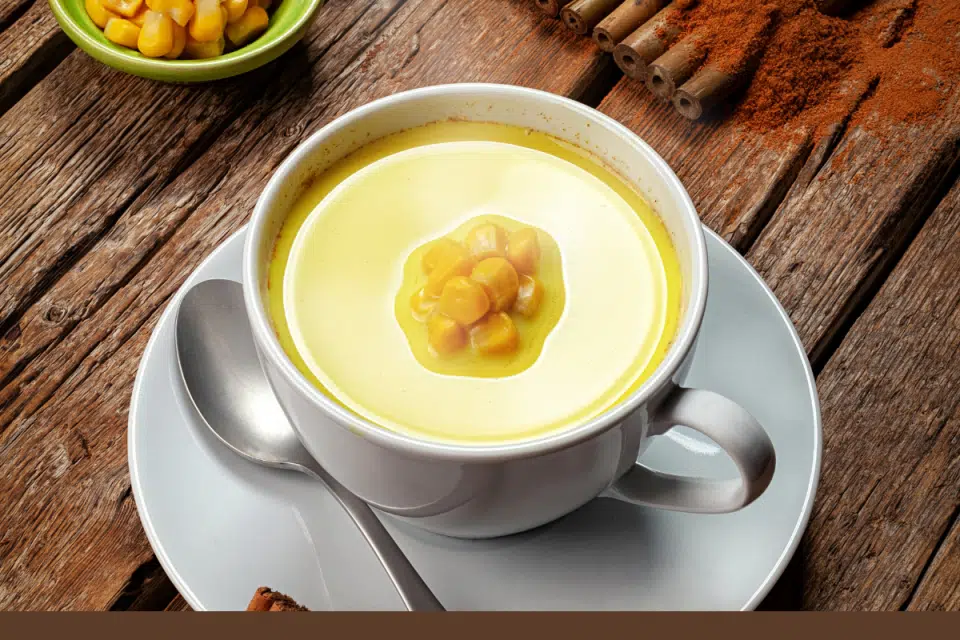
1. Atol de Elote
Atol de Elote is a revered Guatemalan classic. It is a creamy, warm beverage made with fresh corn. The taste is a delicate mix between the natural sweetness of corn and the subtle notes of cinnamon and vanilla. This comforting drink is often enjoyed for breakfast or as an afternoon treat, bringing a sense of nostalgia and homey comfort.
It is most popular in Sacatepequez, where you can go to a local market and enjoy a nice cup of Atol de Elote.
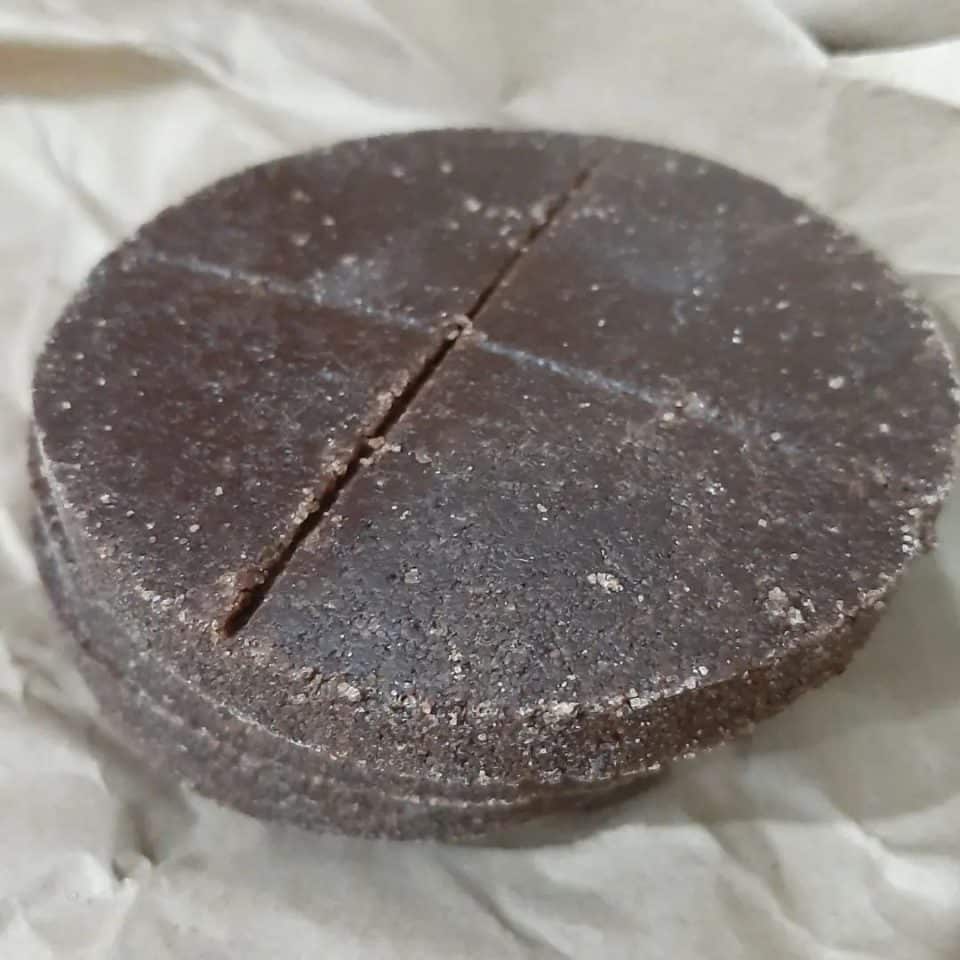
Chocolate de Mixco is a beloved hot chocolate drink that embodies the essence of Guatemala’s love for cocoa. Rich, smooth, and not overly sweet, it has the perfect balance of cocoa and spices like cinnamon.
As the name says, this drink is from Mixco. Although hot chocolate can be found all over the country, the one from Mixco is the most popular. The chocolate comes in tablets, which must be melted in water or milk in order to make the drink.
It is a cherished beverage during the country’s cool evenings, offering a moment of pure indulgence.
3. Rompope
Rompope is Guatemala’s answer to eggnog, but with a unique twist. This creamy, custard-like beverage is infused with vanilla and cinnamon.
Sometimes it’ll also include a hint of rum, although this is not essential. It graces tables during special celebrations and holidays, adding a touch of warmth and festivity to the atmosphere.
Arroz con leche, or rice with milk, is a heartwarming dessert drink. Creamy and subtly spiced with cinnamon, this sweet rice pudding is often enjoyed during family gatherings, symbolizing comfort and togetherness.
Arroz con leche is very similar to the atol drinks. The consistency is thick, so you might not see it as a drink, but it is considered one in Guatemala.
5. Ponche Navideño
Ponche Navideño, a traditional Christmas punch, is a medley of seasonal fruits, spices, and a splash of rum. The warm and aromatic flavors bring a sense of festivity and unity during the holiday season, making it a Guatemalan staple at Christmas gatherings.
6. Coffee
Of course, in a list of Guatemalan drinks, coffee could not be left out. Coffee is not just a beverage in Guatemala, it’s a way of life.
Guatemala is renowned for its high-quality coffee beans, and the brewing process is meticulous. The result is a cup of coffee that is robust, aromatic, and deeply satisfying, often consumed throughout the day.
Guatemalan Soft Drinks
7. Horchata
Horchata is a quintessential Guatemalan soft drink. It’s a cool, refreshing blend of rice, milk, cinnamon, and vanilla. Slightly sweet and incredibly soothing, it’s the perfect antidote to the country’s warm climate. Horchata is a staple for gatherings and outdoor events.
Refresco de súchiles is a tangy and invigorating beverage made from súchiles fruit. It has a vibrant flavor profile, combining the natural tartness of the fruit with a hint of sweetness. This makes the refresco de súchiles a popular choice, especially during scorching summers.
Refresco de tamarindo, a tamarind-based drink, is a delightful balance of sweet and tangy. The tamarind’s natural sourness is offset by sugar, resulting in a uniquely Guatemalan refreshment. In many households all over the country, it’s a go-to drink to quench thirst and beat the heat.
10. Rosa de Jamaica
Rosa de Jamaica, or hibiscus tea, is a stunning, ruby-red drink with a zesty, floral flavor. Its natural tartness and the aromatic essence of hibiscus flowers make it a popular choice for a cooling refreshment during warm days.
It is made by cooking dried hibiscus flowers in water. After boiling, take out the flowers and you are left with a delicious hibiscus tea, which you can sweeten and leave to cool.
Guatemalan Alcoholic Drinks
11. Cerveza (Beer)
Cerveza, or beer, is a widely appreciated alcoholic beverage in Guatemala. Whether you prefer a light lager or a more robust ale, a cold cerveza is the perfect companion while socializing, watching a soccer match, or simply relaxing after a day’s work.
There are a lot of local brands that craft artisan beers. Some like mixing flavors of the beer with chocolate or fruits. There are plenty of options for you to try!
12. Ron Zacapa
Ron Zacapa, considered one of the finest rums in the world, is a source of national pride. Its smooth, velvety texture and complex flavor profile, with hints of caramel, vanilla, and spice, make it a sought-after choice. It’s typically savored neat or used to create exquisite cocktails.
13. Boj
Boj is a traditional, mildly alcoholic beverage made from fermented corn. It originated from Alta Verapaz.
It holds a special place in Guatemalan culture, especially during fiestas and community gatherings, where sharing a cup of boj fosters camaraderie.
Cusha is a unique fermented pineapple-based alcoholic drink. It boasts a distinct fruity and slightly tangy taste, derived from the fermentation of pineapple peels. Cusha is often enjoyed during festivities, adding a touch of celebration to the air.
This drink is very important for the Mayan indigenous communities. In ancient rituals, shamans would drink cusha and then spit it over participants, believing it would bring about healing effects.
15. Chicha
Chicha, a traditional Mayan beverage, is made from fermented maize. The mildly alcoholic, slightly sour taste is a testament to the ancient traditions of Guatemala. It’s still enjoyed during various traditional events and gatherings.
Do You Want A Guatemalan Drink?
In the heart of Guatemala’s rich and diverse culinary landscape, the tapestry of traditional drinks tells a story of the nation’s history, culture, and flavors.
These beverages are more than just refreshments – they are an invitation to immerse yourself in the spirit of Guatemala. So, the next time you explore Guatemalan cuisine, be sure to raise a glass and toast to the rich heritage and flavors that these drinks embody. Salud!