Monday, June 5, 2023

Where to Eat the Best Pizza in Rome: Our 7 Best Pizzerias

Before gladiators, democracy, and the Pantheon, the first thing that pops into your mind when you mention Rome is probably pizza. Walking down any street in the eternal city, you’ll find at least two pizzerias on each block.

With over 15,000 pizzerias in Italy’s capital, how can you possibly decide which one to go to? We’ll break down our favorite pizza restaurants, where you’ll find the most traditional slices and some of the wildest ingredient combinations in town.

Pizza Styles Found in Rome 

There are two traditional styles of pizza you can find throughout Italy: Roman and Neapolitan. Roman style pizza comes with a flatter, crispier crust, with the toppings reaching all the way to the edge of the dough. Neapolitan style, from Napoli, comes with a thicker crust. The dough is softer, bubblier, and chewier.

Of course, there is also pinsa, which comes from the Latin word for stretch. The process of making pinsa dough is much longer, requiring lots of stretching by hand. The product is an easily digestible, focaccia-like bread that comes with a crispy outside and soft inside.

Many of the pizza restaurants (i.e. pizzerias) that make this list offer something between these three styles. Each restaurant leans on tradition, modernity, creativity, or special ingredients to make its pizza unique.

1. Ivo a Trastevere

Address: Via di S. Francesco a Ripa, 158, 00153 Roma RM

Ivo a Trastevere pizza
Credits: @ivoatrastevereroma

In a country steeped in tradition, whether that be food, architecture, or politics, there has to be room on this list for a place like Ivo a Trastevere. Ivo looks exactly how you’d imagine an Italian pizzeria: an open kitchen where the chefs throw pizzas into the wood fire oven, a dining room with yellow walls lined with photos of the owner’s favorite soccer players, and parchment paper-covered wooden tables. 

On any day, you’ll find Ivo packed from wall to wall with tourists, locals, college students, and large groups, so expect the quarters to be a bit tight, the rooms to be noisy, and the waiters to be very busy. 

Their pizza is Roman-style, with a thin, crispy crust meant for one person. The menu offers huge selections of classic pizza toppings, and solid pasta too.

If you’re in Rome during artichoke season (early winter to mid-spring), you need to order their Carciofi alla giudìa. You’ll get a plate of whole deep-fried artichokes, perfectly salted and lemony.  

On top of the amazing food, you’ll walk out after paying, wondering if they forgot to add something to your bill. 

If you’re looking for a truly Roman experience, soak up the (semi)organized chaos of Ivo a Trastevere.

2. Pizzarium Bonci

Address: Via della Meloria, 43, 00136 Roma RM

Pizzarium Bonci
Credits: @bonci

Bonci is one of the more expensive pizza places on this list, though you’d be surprised as it looks like your typical pizza-by-slice vendor. The main difference you’ll notice, though, is the line it’ll have no matter what time of day. But trust me, it’s worth the wait.

The restaurant was opened by Gabriele Bonci, a celebrity chef known around Italy for decades, but now famous worldwide because of his appearance on Chef’s table. Referred to as the “Michelangelo of Pizza” by Vogue Magazine, Bonci wanted to create high-quality pizza al taglio, or “pizza by the cut.”

Pizzarium Bonci is an amazing combo of quick-yet-gourmet. Since opening in 2003, Bonci has created more than 1,500 separate recipes based on the freshest seasonal ingredients he can find. Everything from the wheat flour he uses to the 72-hour fermentation process of the pizza dough to the locally-sourced ingredients plays a part in creating a perfectly balanced pizza.

The pizzas available in Bonci are like part of the restaurant’s decorations, with the red and browns of cured meats, greens of vegetables, silver and white anchovies, and the whites and yellows of fresh cheese.

Besides the pizza, Pizzarium also has daily Suppli options, which are crispy fried rice balls stuffed with amazing ingreidents. Flavors include pesto with truffle, carbonara, and so much more. The ingredients, again, are the best available.

3. Seu Pizza Illuminati

Address: Via Angelo Bargoni, 10 – 18, 00153 Roma RM

Seu Pizza Illuminati
Credits: @lukasessa

A few steps outside of Trastevere in the quiet neighborhood of Porta Portese, chef Pier Daniele Seu and his wife Valeria Zuppardo opened this modern-style pizzeria. 

Modern is definitely the appropriate word to describe both the decor and menu of this pizzeria. The look is not what you’d expect from a pizzeria, with white marble counters and floors highlighted with black chairs and finishings, a style you’d expect more from a fine-dining restaurant than a pizzeria.

The menu continues down the modern path, in what the restaurant describes as halfway between Neapolitan and Roman style. The crust is fluffy, soft, and big (Neapolitan), while the center is crunchy and thin (Roman).

The pizza choices are divided into three sections: must-haves, old school, and “Seu.” The options range from your typical Margherita or diavola to fresh inspirations like the Margherita Gialla, with yellow tomatoes, smoked provolone, with a dash of mint.

Of course, it wouldn’t be a Roman pizzeria without a plethora of fried options. There are a classic selection of suppli, stuffed with seasonal ingredients, and multiple chip options like cacio e pepe or pink pepper and lime.

4. La Gatta Mangiona

Address: Via Federico Ozanam, 30-32, 00152 Roma RM

La Gatta Mangiona
Credits: @lagattamangiona

In the quiet neighborhood of Monteverde, La Gatta Mangiona is a local-favorite restaurant serving Neopolitan pizza from their wood-fired oven. 

Opened in 1999, chef Giancarlo Casa wanted to create a pizza that moved away from the stereotype that it must be made of low-quality and cheap ingredients to keep prices low. He experimented with dough and ingredient combinations to create the menu, which continues to change even today. 

The dough is an amazing mix of the crispy Roman middle, with a soft, fluffy outside. The menu offers traditional Roman pizza toppings such as “Margherita Semplice” with tomatoes and cheese, “Diavola” with tomato sauce, mozzarella, and spicy salami. They also have fresh twists on the classics like the “Margherita Hop! Hop!” which comes with a hop-flavored tomato sauce and buffalo mozzarella cheese, with a drizzle of lemongrass oil and a topping of lemon peel. 

The fritti, or “fried,” section offers traditional and fresh takes on Roman classics. They have a daily suppli special that is inspired by seasonal ingredients, but you can expect flavors like norcina with cream, sauce, parmesan, and pepper. 

5. Pinsa e Buoi

Pinsa e Buoi
Credit: @pinsaebuoi_

Pinsa e Buoi is one of those Italian restaurants that does a bit of everything, from cured meats to pasta to pinsa, with precision and class. Their chefs are dedicated to the culinary traditions of Rome. Their cozy decor, rich menu choices, and high-quality ingredients make for a world-class dining experience.

The pinsa chefs use the traditional method of making pinsa dough. This includes a mixture of barley, oats, spelt, and millet flour and what is called the “leavening” process. This 72-hour process involves high levels of hydration and low amounts of fats, which means the crust that is eventually produced from Pinsa e Buoi’s wood-fire oven is delicate, crunchy on the outside, soft on the inside, and easy to digest.

Though their pinsa is amazing, they do all the classic Italian dishes well. To start with, you can order a plate of cured meats and cheeses, enjoy pasta Carbonara or risotto dishes for the “secondi” or second plate, and dive into veal steak for your “primi” or main course. If you’re looking for a lighter meal, this is a great place to split a pasta plate before diving into the pinsa. 

It has to be said, too, that Pinsa e Buoi has great service and friendly staff. The servers can give you great recommendations for wine pairings within your budget and are attentive to your needs. 

6. Pizzeria Gino Sorbillo

Address: Piazza Augusto Imperatore, 46, 00186 Roma RM

Pizzeria Gino Sorbillo
Queklle: @sorbillo

One of the most famous pizza restaurants is Gino Sorbillo’s Pizzeria. The family started making pizza in Napoli, and is recognized as one of the oldest families of pizza makers in the country. Chef Gino’s grandparents established their first pizzeria in 1935 in the heart of Napoli. Luigi Sorbillo and Carolina went on to have 21 children, all of whom became pizza makers themselves. 

Now Gino is the third generation of pizza makers, and he has expanded the family business from Napoli to Rome and Milan.

If you’re visiting the heart of Rome, shopping and sightseeing near the Trevi Fountain, stop at Pizzeria Gino Sorbillo to take a load off your feet and enjoy some classic pizzas. They create an impressive combination of classic pizzas with creative twists, and they even have gluten-free options. 

Each pizza comes with toppings hand-selected by chef Gino, all organic and naturally produced. You can enjoy simple classics like the Margherita Gialla, topped with smoked Provola and Conciato Romano cheeses, yellow cherry tomatoes, fresh basil, and extra virgin olive oil. Or you can order from their Folded menu, which is pizza that comes with a combination of amazing ingredients, folded in half, and then fried. 

7. Sant Isidoro Pizza & Bolle

Address: Via Oslavia, 41, 00195 Roma RM

Sant Isidoro Pizza & Bolle
Credits: @sant_isidoro

Looking for something new and fun? Sant Isidoro’s philosophy is matching fresh pizza ingredients with elegant bubbly wine. 

If you take a look at Sant Isidoro’s menu, you’ll notice the usual Italian pizza restaurant classics: suppli, fritti, and pizza. Once you dive into the ingredients, though, you’ll realize the subtle twists on the classics bring these pizzas above and beyond the norm.

Though they offer classic marinara and margherita pizzas (they’re a Roman pizzeria, after all), they choose the best ingredients available, telling you exactly where they get the meat and cheese from. Continuing down the menu, you’ll find “Classiche Ma Non Troppo” (classic, but not too much) and “Eccentriche” (eccentric).

The flavor combinations of these seem wild and out of the ordinary, like the “A Mazar,” which combines stracciatella cheese, shrimp, candied lemon zest, and mint leaves, or the “Cacio Pere e Vino,” a turn-of-phrase combination that mixes three kinds of cheese, baked and almost candied pears, and cooked-down red wine sauce.

Sant Isidoro isn’t your typical Roman pizza place. The unique flavor combinations, amazing sparkling wine, and great service make this a unique restaurant to visit. 

Final Thoughts

When it comes to pizza in Rome, you really can’t go wrong just popping into the local “pizza al taglio” shop for a quick and delicious bite to eat.

Though we covered seven of our favorite pizza places in Rome, there are countless other places that may deserve to be on this list. However, we hope these restaurants have given you a place to start your Roman pizza journey.


Related: Rome Food Guide: What to Eat in Rome & Where
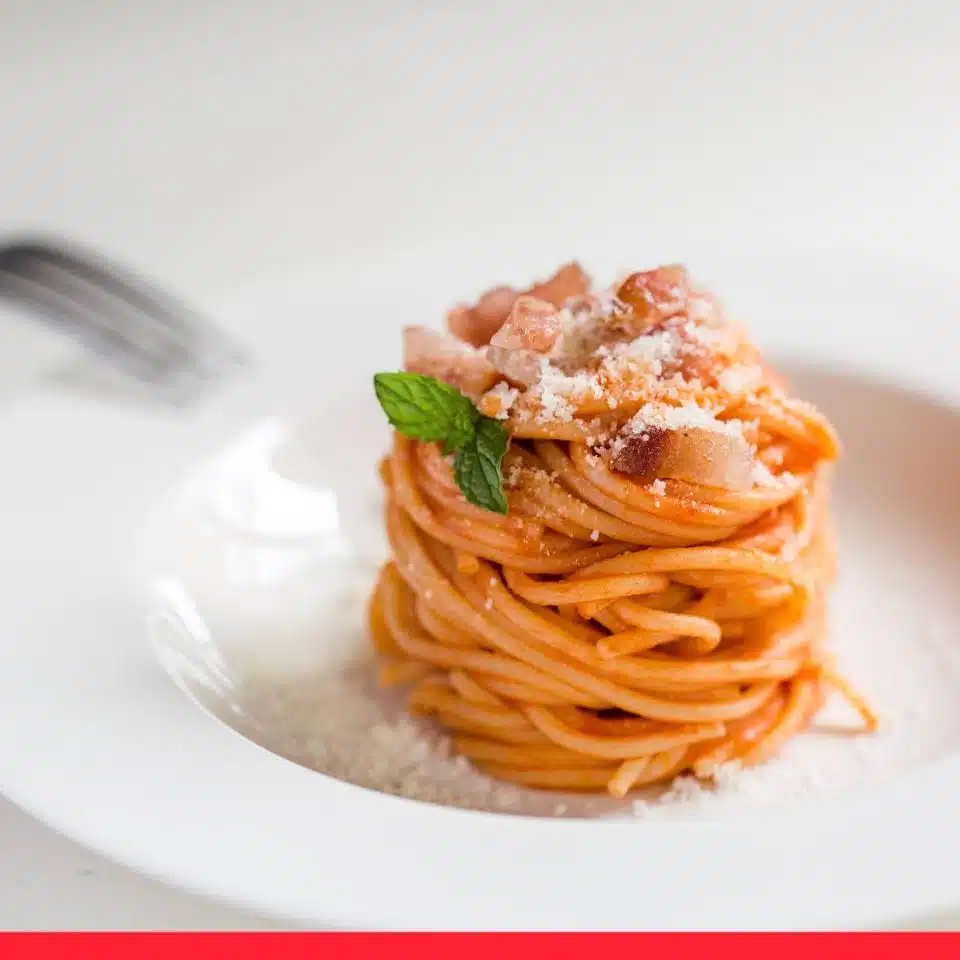
What to eat in Rome

Related: 23 Types of Pizza Explained

The post Where to Eat the Best Pizza in Rome: Our 7 Best Pizzerias appeared first on Chef's Pencil.


from Chef's Pencil https://ift.tt/DjNmosE
via https://chefsspenncil.blogspot.com

5 Perfect Blue Cheese Substitutes

Blue cheese – you either love it, or you hate it! The strong, pungent aroma of blue cheese and its distinctive blue veins can be intimidating to those who have never tried it before.

However, for those who have developed a taste for it, blue cheese is a delicious addition to any cheese board or recipe. Blue cheese is both sharp and creamy, tart and sweet. It crumbles, grates, melts, and stands on its own!

Blue cheese is a versatile cheese that can be used in a variety of recipes. It pairs well with fruits, such as pears and apples, and can be crumbled over salads for added flavor. It adds a pop of rich, sharp flavor that can make bland salads more exciting (and is the main ingredient in Blue Cheese dressing of course!)

If you’re not a blue cheese lover, you can definitely use cheddar or feta cheese in a salad or cobb salad, and still get the same contrast in textures and flavors.

Blue cheese can also be melted and used as a sauce for burgers or as a dip for vegetables, buffalo chicken or wings. If you’re not into the sharpness of blue cheese, you could substitute sour cream or mayonnaise, which have a much more mild flavor profile but the same creamy texture. Blue cheese is also a popular ingredient in many pasta dishes, such as gnocchi and ravioli. It is used as a filling or melted into a sauce, as sometimes used in mashed potatoes or to top a steak. 

The bottom line is that blue cheese lovers will find just about any excuse to use blue cheese! It is a healthy option despite being high in fat and calories. It also contains several health benefits that should not be overlooked. One of its main benefits is that it is a great source of calcium, which is essential for bone health. In fact, just one ounce of blue cheese contains about 150 mg of calcium!

Another benefit of blue cheese is that it contains probiotics, which are beneficial bacteria that can improve gut health and boost the immune system. Additionally, studies have shown that blue cheese may have anti-inflammatory properties and can help reduce the risk of certain diseases, such as heart disease and diabetes.

There are many different types of blue cheese, all of which are rich in flavor and history! We’ll share some of them here, as well as some great substitutes if you can’t track down a blue cheese that you love or if you don’t consume dairy. 

1. Gorgonzola

Gorgonzola

Gorgonzola cheese can be used in the same way as blue cheese – crumbled over salads, melted on burgers, or used as a dip for vegetables.

This Italian cheese is also a great choice for those who are new to blue cheese and want to try a milder version. Besides being a great alternative to blue cheese, Gorgonzola has several health benefits. It is rich in calcium, which is essential for strong bones and teeth. It also contains protein, vitamin B12, and other essential nutrients that are good for the body.

Gorgonzola is still quite strong though, so if you are looking for a non-blue cheese substitute for Gorgonzola, you might want to try a milder version of a crumbly, aged cheese such as feta or an aged, white cheddar cheese.

2. Roquefort  

Roquefort

Roquefort is a French blue cheese that is made from sheep’s milk! It has a strong, salty flavor that is similar to traditional blue cheese. Roquefort can be used in the same way as blue cheese, such as crumbled over salads or used in pasta dishes.

It is also a great choice for those who want a more intense flavor than gorgonzola. It is considered the King of blue cheese as it is the most sharp and intense in flavor, and also has a very high salt content.

Roquefort is versatile and can be used in a variety of ways. It adds a rich, tangy flavor to salads, pasta dishes, and burgers. You can crumble it over roasted vegetables, melt it on pizzas, or use it as a dip for crackers and fruit. The possibilities are endless!

Roquefort is not for the faint of heart and may take some getting used to, but like all blue cheese, it will grow on you! You can learn more about French cheeses here.

3. Feta  

Feta

Feta cheese is a popular Greek cheese that is made from sheep’s milk or a combination of sheep and goat’s milk. It has a salty and tangy flavor that is similar to blue cheese.

Feta cheese can be crumbled over salads (especially in the famous Greek salad!), used in sandwiches, or melted and used as a topping for pizza.

Feta cheese is also a healthier option compared to blue cheese as it is lower in calories and fat content. With the same salty and tangy flavor as blue cheese, you can enjoy the delicious taste without worrying about the calorie count as much.

Feta is particularly popular because its flavor is much more mild than blue cheese, and it is also a great alternative for those who are lactose intolerant or vegan, as there are many plant-based versions of feta cheese available. 

4. Stilton  

Stilton

If you’re a cheese lover, then you have to try Stilton! This popular English blue cheese has a sharp, tangy flavor and a creamy texture that is slightly crumbly.

It’s perfect for those who love strong flavors and are looking for a cheese that can add depth to their dishes. One of the best things about Stilton is its versatility. It can be used in a variety of recipes, from salads to pasta dishes to burgers. It pairs well with fruits such as pears and apples, and can be crumbled over salads for added flavor.

But Stilton cheese is not just delicious, it is a great source of protein and calcium – one ounce of Stilton provides about 6 grams of protein! By adding Stilton cheese to your diet, you can enjoy its unique flavor while reaping its many health benefits.

So, if you’re looking for a new cheese to add to your cheese board or recipe, give Stilton cheese a try. Its unique flavor and health benefits make it a great addition to any dish. Trust us, your taste buds and your body will thank you.

Editor’s Note: A Stilton variety counts among the most expensive cheeses in the world.

5. Chevre  

Chevre

Chevre is a French goat’s cheese that is soft and creamy with a tangy flavor. It can be spread on crackers or used in salads and pastries.

It has a salty flavor and crumbly texture, making it a popular substitute for blue cheese – it still has that tang that blue cheese lovers know and love, but is also much more mild, making it more palatable. Goat’s cheese makes a great alternative for those who love blue cheese but cannot consume it due to a penicillin allergy because it gets its tanginess from the aging process, not from mold. 


Blue cheese is a type of cheese that is loved by many for its unique flavor and texture. However, it is not always readily available or suitable for everyone’s taste buds. Whether you are lactose intolerant, vegan, or simply not a fan of blue cheese, there are plenty of alternatives that can still provide a similar taste and texture.

Because of how it is made, blue cheese is not recommended for pregnant women or those who are allergic to penicillin (because of the mold that is used in production) but luckily there are many suitable alternatives!

Whether you are lactose intolerant, vegan, or simply not a fan of blue cheese, there is a substitute out there for you. So go ahead and experiment with different types of cheese to find the perfect substitute for your taste buds. You might just find a new favorite!

The post 5 Perfect Blue Cheese Substitutes appeared first on Chef's Pencil.


from Chef's Pencil https://ift.tt/g1iYdm7
via https://chefsspenncil.blogspot.com

7 Great Taleggio Cheese Substitutes

Are you a cheese lover? Then you simply must try Taleggio! This semi-soft cheese originates from Italy and has a rich history, distinctive flavor, and creamy texture. It is made from cow’s milk and washed with brine, which gives it a pungent aroma.

Taleggio takes its name from the Val Taleggio region of Lombardy, Italy, where it was first produced – it has been made in this region for over a thousand years. The cheese was originally made by dairy farmers to use up milk leftover from making other cheeses. Taleggio was aged in caves, which provided the perfect environment for the cheese to mature, resulting in a creamy, delicious cheese. 

This washed-rind cheese is made from cow’s milk. The milk is heated and rennet is added. The curd this creates is then cut and drained, and the cheese is placed in molds, when it is salted and left to ripen for a few weeks. During this time, the cheese is washed with brine, which helps to develop its flavor and aroma. The cheese is then left to age for a few more weeks so it can develop a soft, gooey texture and distinctive flavor.

Taleggio has a unique flavor that is both tangy and buttery, a soft, creamy texture, and a pungent aroma. The flavor of Taleggio is best when served at room temperature. The cheese pairs well with a variety of foods, including crusty bread, fresh fruit, and cured meats. It is also a great cheese to use in cooking, as it melts easily and adds a rich, creamy flavor to dishes.

Taleggio should be kept refrigerated until you are ready to serve, but before serving be sure to let it come to room temperature as this will allow it to soften and develop its full flavor. 

Great as it is, some people just don’t like pungent cheeses, so here are some excellent taleggio substitutes!

1. Brie

Brie

Brie is a soft cheese that originates from France. It has a creamy texture and a mild, buttery flavor.

Although it is not as pungent as Taleggio, brie can make a good substitute due to its similar texture and because it melts easily. Brie can be served on its own or with a variety of accompaniments, including crackers, bread, and fresh fruits.

It is known for its bright white, powdery rind that is edible, and when cut into, brie oozes out in a semi-solid form. It is often served chilled, spread on pancakes, bread or whipped. Or it can be sliced in wedges if it is young brie (as it gets older, it gets softer and softer.) Brie is sometimes baked and served warm, gooey and melty with red pepper jelly or jam. 

2. Camembert

Camembert

Like brie, camembert is a soft rind cheese from France that gets softer and stronger as it ages. It has a white, edible rind that many people love (but some remove before eating.) Whether this cheese is spread on crackers, served with fruit or baked and eaten as a dip, Camembert is a delicious alternative to Taleggio!

It was first made in the late 18th century in Camembert, Normandy in Northwest France and is now a popular cheese enjoyed by people all over the world! Taleggio is similar in flavor and texture to Camembert, with a slightly lower fat content making it less buttery but equally delicious and smooth!

3. Gorgonzola

Gorgonzola

Gorgonzola is a blue-veined cheese that originates from Italy. It has a strong, tangy flavor and a crumbly texture.

Although it is not as creamy as Taleggio, it can still be a good substitute due to its pungent flavor.

Gorgonzola is a versatile cheese that can be used in a variety of dishes including salads, pizzas, risottos and pasta, and makes an excellent addition to a cheese platter. Unlike Gorgonzola, Taleggio does not have blue veins and does not have the same pungent, sharp flavor, but these cheeses are both intense, robust and delicious! 

4. Fontina Cheese

Fontina Cheese

Fontina is a semi-soft to hard cheese that is originally from the feet of the Alps in Aosta Valley, Italy. It has a nutty and buttery mild to medium flavor, which makes it a great substitute for Taleggio.

Like Taleggio, Fontina melts easily, making it a good option for cooking. It is a versatile cheese that pairs well with a variety of foods, including cured meats, crusty bread, berries, fruits and fish, and it is said to have a signature nutty flavor that lingers on the palette.

It is an extremely palatable cheese, which is mild but distinctively nutty, slightly sweet with a bit of that umami flavor that cheese lovers know and love. This cheese is characterized by its waxy rind and makes an excellent substitute for any cheese but especially Taleggio!

5. Emmentaler

Emmentaler

Emmentaler is a semi-hard cheese from Switzerland that contains medium sized holes, similar to Swiss but it is much firmer.

It has a delightfully intricate and complex flavor – slightly sweet, aromatic and nutty, with no tones of acidity or bitterness. It goes great with poultry, ripe fruit, nuts, seed crackers and more.

Originally from Emme Valley, Emmentaler is traditionally made from raw cow’s milk and aged for up to 18 months. It is meltable, grateable and is always a treat on a cheese board, and is a primary ingredient in many European dishes. 

6. Gruyère

Gruyere

A full bodied, delicious cheese, Gruyère has a lot in common with Taleggio! It is nutty and earthy, with a soft, smooth finish. The reason why Gruyère is so prized is because of the diet of the cows used to produce the milk.

These Alpine cows feed freely in freshwater streams and idyllic hillsides. Its texture is smooth and creamy and it lends well to dishes that require a melty cheese.

When it ages, Gruyère becomes somewhat granular, with salt crystals developing a deeper, richer, saltier flavor. A young Gruyère would make an incredible alternative to Taleggio!

7. Comté

Comté

Comté is a fruity, slightly sweet, savory cheese that is both salty and sweet. The clean flavors come from the milk of the cows used to make this cheese and the local creameries that produce the iconic flavors and aromas.

Comté is an outstanding product of the highest quality and makes a fantastic addition to any menu, any cheese board, and any recipe that requires Taleggio. 


Taleggio is a unique and delicious cheese, but it may not always be available or accessible. In such cases, it is important to find a suitable substitute to achieve a similar taste and texture. Fontina, Brie, and Gorgonzola are some of the best substitutes for Taleggio.

Each of these cheeses has its own unique flavor and texture, making them versatile options for a variety of dishes. So, the next time you are unable to find Taleggio, try one of these substitutes to enjoy a similar taste and texture.

Related: Most Popular Italian Cheeses

The post 7 Great Taleggio Cheese Substitutes appeared first on Chef's Pencil.


from Chef's Pencil https://ift.tt/Re4gJY1
via https://chefsspenncil.blogspot.com

8 Delicious Asiago Substitutes to Try Out

Asiago is one of Italy’s great cheeses! It is made using traditional Italian cheese-making methods, giving it a unique and authentic flavor.

Made from whole cow’s milk, which is heated and curdled with rennet to separate the liquid whey from the solid curds, the cheese is then shaped and left to age for varying periods of time, depending on the desired flavor and texture. 

Fresh Asiago is soft and mild, with a creamy texture and subtle flavor. It’s perfect for snacking, adding to salads or sandwiches, and melting on top of pizza or pasta dishes. Aged Asiago, on the other hand, is hard and crumbly, with a more intense flavor that becomes sharper and nuttier as it ages. It’s ideal for grating over pasta, risotto, or soups, and pairs well with hearty red wines.

Asiago is perfect for grating. Asiago also melts and has a smooth texture and for this reason, is considered a Swiss-style cheese. Aged Asiago is perfect for grating over pasta dishes, adding a rich, nutty flavor to classic Italian dishes like spaghetti carbonara, fettuccine alfredo, or lasagna.

The grated cheese adds a beautiful flavor and texture to any dish! Fresh Asiago melts beautifully on sandwiches or paninis, adding a creamy, tangy flavor to your favorite lunchtime fare. You can also mix it with other cheeses such as provolone or mozzarella to create a delicious cheese blend.

Asiago makes a great addition to a cheese board or antipasto platter and pairs well with crackers, nuts, and dried fruits. For a sweet and savory treat, try dipping a slice of aged Asiago in honey or balsamic glaze. The combination of flavors is simply divine! You can also top it with some fig jam or fruit preserves to create a perfect appetizer.

Here are some great substitutions for Asiago if you cannot find it!

1. Grana Padano

Grana Padano

Grana Padano is very similar to Asiago and is also made in Italy from unpasteurized cow’s milk.

It tends to be less expensive than Asiago and works the same way – it is an excellent grating cheese, but also melts well when heated over pastas, risottos or on pizza.

The flavor is similar – Grana Padano is salty, nutty, slightly sweet, and full of umami flavor! 

2. Pecorino Romano 

Pecorino Romano

Made in Sardinia, Italy, Pecorino Romano is another great substitute for Asiago. This Italian cheese is made from sheep’s milk, which gives it a slightly different flavor and texture.

Pecorino Romano is saltier and tangier than Asiago and has a crumbly texture that’s perfect for grating over pasta dishes or soups. You can use Pecorino Romano as a substitute for Asiago in any recipe that calls for a hard, salty cheese.

Pecorino is known for its sharp, unique flavor, sometimes compared to the smell of “hay,” derived from the sheep’s milk, which has a different flavor profile from cow’s milk.

Without a doubt, Pecorino makes an excellent replacement for Asiago, and might even become one of your favorite cheeses! Pecorino is much saltier than Asiago, so you may need to cut back on the salt in your recipe. It is also bolder in flavor, so let your guests know if anyone isn’t a serious cheese lover.

3. Nutritional Yeast or Vegan Nut-based Cheeses 

Nutritional Yeast or Vegan Nut-Based Cheeses 

Nutritional yeast on its own is quite savory and has that same umami flavor you get from Asiago and its substitutes.

By blending equal parts nutritional yeast with toasted walnuts, and adding a generous portion of salt, you can achieve the same texture as finely grated Parmesan or Asiago, as well as the nutty, salty flavor.

You can also find great cashew-based creamed cheeses on the market, which are not exactly like Asiago, but if you don’t eat dairy, these can be amazing alternatives that are rich, delicious, nutritious and satisfying! 

4. Real Parmesan Reggiano 

 Parmesan Reggiano

Parmesan will lend itself nicely to any dish that requires a hint of salt and nuttiness, but take note: real Italian Parmesan can be quite expensive, so keep this in mind if you choose this as a substitute.

Parmesan is another aged Italian cheese so it is similar in flavor, but it is also slightly different in flavor and texture. Both cheeses are equally delicious so you really can’t go wrong. 

5. Cheddar or Gouda

Gouda Cheese 

Classic cheddar cheese is often made from pasteurized cow’s milk, so its flavor profile is similar to Asiago. It also melts like Asiago and has a similar richness and fat content.

Cheddar is great for melting, slicing, eating raw, broiling, adding to salads, sauces, and topping higher-end dishes. Good quality cheddar melts and grates like Asiago, especially if you find good quality, aged Cheddar!

The older the better, when it comes to cheddar. If you’re looking for a milder and creamier alternative to Asiago, but cheddar cheese isn’t your thing, then Gouda is your best bet.

This Dutch cheese is made from cow’s milk and has a semi-hard texture and a mild, nutty flavor. Gouda is perfect for melting on sandwiches or burgers, or adding to omelets or quiches. You can use Gouda as a substitute for Asiago in any recipe that requires a mild, creamy cheese.

6. Spanish Manchego 

Spanish Manchego 

Manchego is made from sheep’s milk, is aged for a certain amount of time, and has a very strong, salty flavor, as well as a grainy, crumble texture, especially the aged variety. The only real difference between Asiago and Manchego is the region in which they are made – Manchego is distinctly Spanish, and Asiago, as we know, is Italian.

The other tell-tale sign is Manchego’s signature rind, which must be removed before eating, so keep that in mind as you may need to purchase a slightly larger piece of cheese to account for cutting the rind off. 

Although Manchego has a slightly stronger flavor due to being made from sheep’s milk, it is still quite similar to Asiago in texture and mouthfeel. 

7. Mozzarella

Mozzarella

Mozzarella is a soft, fresh cheese that originated in Southern Italy. It’s made from the milk of cows or water buffalo, and has a mild, slightly sweet flavor with a smooth texture.

Like Asiago, Mozzarella is commonly used in Italian dishes such as pizza, caprese salad, and lasagna. Mozzarella and Asiago are both delicious Italian cheeses that are used in a variety of dishes.

Mozzarella is a soft, fresh cheese with a mild, slightly sweet flavor and smooth texture, while Asiago is a hard cheese with a nutty, slightly sharp taste.

Both cheeses have their own unique characteristics and are used in different ways. Whether you prefer the soft, creamy texture of mozzarella or the sharp, intense flavor of aged Asiago, both cheeses are sure to add a delicious touch to any Italian dish.

8. Monterey Jack 

Monterey Jack is ultra-versatile – it can be sliced and diced for quick snacks and cheese boards, or it can be grated and used to melt all over pizza, pasta, Mexican food, and more. Monterey Jack is known for how well it melts. It has an ultra-high fat content (even higher than Asiago!) and is therefore much softer.

Although there is certainly a difference in taste, price and quality, we think you will find Monterey Jack a great substitute for Asiago in any recipe! Consider this cheese a more approachable, more easy-going cousin of its high-end and, at times, high-maintenance Spanish counterpart.


Asiago is a true gem of the Italian culinary tradition, and its versatility and delicious flavor make it a perfect addition to any meal or snack. Whether you prefer fresh or aged Asiago, there’s no denying the irresistible nutty flavor and creamy texture of this beloved cheese.

So the next time you’re at the grocery store or your local cheese shop, be sure to pick up a wedge of Asiago and explore the endless possibilities of this delicious cheese!

The post 8 Delicious Asiago Substitutes to Try Out appeared first on Chef's Pencil.


from Chef's Pencil https://ift.tt/LzhfYnW
via https://chefsspenncil.blogspot.com

Sunday, June 4, 2023

Easy Beer-Battered Fish With French Fries & Tartar Sauce

Whether enjoyed as a casual lunch or a main course at dinner, beer-battered fish with French fries and tartar sauce is a timeless classic that appeals to seafood lovers and those seeking a flavorful, crispy, and satisfying meal.

Instructions:

Beer-Battered Fish

  1. To make the batter, gradually pour the beer and 3/4 of the flour into a bowl, stirring with a spoon until you have a smooth, lump-free batter.
  2. Check the fish fillets for any remaining bones. Check out this guide on removing pin bones from fish for more information.
  3. Season the fish fillets with salt and pepper and dredge them in the remaining flour.
  4. Dip the fish fillets into the batter.
Beer-Battered Fish With Tartar Sauce

5. Deep fry the fish fillets over medium heat until golden brown.

Beer-Battered Fish With Tartar Sauce

Tartar Sauce

Finely chop the pickled cucumber, onion, and dill and mix them with mayonnaise and yogurt. That simple!

Beer-Battered Fish With Tartar Sauce

French Fries

Wash the potatoes well and cut them into thin strips, then fry them in hot oil over high heat. You can use a fryer or a pan.

Beer-Battered Fish With Tartar Sauce

Beer-Battered Fish With Tartar Sauce

Please find the full recipe below!

Print

Beer-Battered Fish With French Fries and Tartar Sauce

A classic and mouthwatering dish that combines the crispy texture of beer-battered fish fillets with delicious French fries and the tangy and creamy flavors of homemade tartar sauce.
Course Appetizer, Brunch
Cuisine International
Prep Time 30 minutes
Total Time 30 minutes
Servings 3 serving
Author Razvan Stupar

Ingredients

  • 2 white fish fillets
  • 200 ml beer (lager)
  • 125 g flour
  • salt
  • pepper
  • oil for frying

French fries

  • 4 potatoes
  • cooking oil

Tartar sauce

  • 2 tbsp mayonnaise
  • 1 tbsp yogurt
  • 1 pickled cucumber
  • 1/2 onion
  • Fresh dill

Instructions

Beer-Battered Fish

  • Gradually pour the beer and 3/4 of the flour into a bowl, stirring with a spoon until you have a smooth, lump-free batter.
  • Check the fillets for any remaining bones. Season with salt and pepper and dredge them in the remaining flour.
  • Dip the fish fillets into the batter and then deep fry over medium heat until golden brown.

French fries

  • Wash the potatoes well and cut them into thin strips, then fry them in hot oil over high heat. You can use a fryer or a pan.

Tartar Sauce

  • For the tartar sauce, finely chop the pickled cucumber, onion, and dill and mix them with mayonnaise and yogurt. That simple!
  • Serve the fish with freshly cooked French fries and tartar sauce. Enjoy!
Crispy Beer-Battered Fish With Tartar Sauce

The post Easy Beer-Battered Fish With French Fries & Tartar Sauce appeared first on Chef's Pencil.


from Chef's Pencil https://ift.tt/wvDqeUn
via https://chefsspenncil.blogspot.com

Mediterranean Chicken with Olives & Rosemary Roasted Potatoes

Welcome to a culinary journey through the Mediterranean! In this delectable Mediterranean chicken recipe, we bring you the enticing flavors of tender chicken breast, briny black and green olives, and aromatic rosemary roasted potatoes.

Prepare to indulge your taste buds with a symphony of Mediterranean delights and flavors.

Mediterranean Chicken with Olives & Rosemary Roasted Potatoes

The chicken breasts are juicy and flavorful, while the olives add a salty and tangy note that complements the chicken perfectly. The roasted potatoes soak up all the aromatic flavors and become crispy on the outside, tender on the inside, making them an irresistible side dish.

Enjoy this delicious dish with a glass of Sauvignon Blanc. Check out more food & wine pairing tips here. For extra flavor, you can also add some kalamata olives.

Roasted Chicken Breast w/ Olives and Potatoes

Please find the full recipe below.

Print

Mediterranean Chicken with Olives and Rosemary Roasted Potatoes

A perfect Mediterranean chicken recipe for those who love olives and aromatic herbs.
Course Dinner, Main Course
Cuisine International
Prep Time 15 minutes
Cook Time 1 hour 15 minutes
Total Time 1 hour 30 minutes
Servings 2 servings
Author Razvan Stupar

Ingredients

  • 350 g chicken breast
  • 70 g olives (mix of black, green or kalamata)
  • 2 garlic cloves
  • 70 ml white wine
  • 150 g diced tomatoes
  • 2 sprigs thyme
  • 6 potatoes
  • 1 sprig rosemary
  • 50 ml cooking oil (olive oil preffered)
  • salt
  • pepper

Instructions

  • Wash the potatoes well and cut them lengthwise, leaving the peel on, into 6 pieces. Place them in a baking tray with the rosemary, salt, pepper and 1 crushed garlic clove. Sprinkle with olive oil and cook at 180°C (356° F) for about 1 hour.
  • Cut the chicken breast into large pieces and fry in a hot pan with a little cooking oil, turning when browned on one side.
  • Add the thyme, a sliced garlic clove, the olives and then the wine. Add salt and pepper to taste.
  • When the wine has reduced by half, add the tomatoes and let everything cook on low heat, until the chicken is done and the acidity reduced.
  • Serve the dish by placing a chicken breast on each plate alongside a generous portion of the roasted potatoes and olives. Drizzle any pan juices over the chicken and garnish with a sprinkle of fresh herbs, if desired.
Mediterranean Chicken with Olives and Rosemary Roasted Potatoes

Mediterranean Chicken with Olives and Rosemary Roasted Potatoes

For more Mediterranean delights, check out our story on the most popular Mediterranean foods.

The post Mediterranean Chicken with Olives & Rosemary Roasted Potatoes appeared first on Chef's Pencil.


from Chef's Pencil https://ift.tt/jRPbrEt
via https://chefsspenncil.blogspot.com

Cities & Countries with the Most Michelin Restaurants per Capita

Why does this matter? The Michelin Guide has long been used as a marketing tool to promote cities, regions and countries as prime fine-dini...